
Reviewed · WAIHEKE ISLAND TOURS
Waiheke Island Private History and Heritage Tour
Waiheke is best understood beyond its famous vineyards, and this tour takes you there. You’ll follow a Māori view of the island, from sea-facing beaches and community traditions to native plants and the remains of a fortified pa. It is part sightseeing trip, part cultural lesson, and part easy outdoor outing.
I like the private format, which lets your group ask questions and spend more time on subjects that matter to you. I also like the mix of coastline, bush, archaeology, and lunch at a local café. The main caution is cultural: you do not simply walk into the marae. A formal pōwhiri, or welcome, is required, and the community site is not staffed as a drop-in attraction.
In This Review
- Key points to know before you book
- Waiheke beyond wine tasting
- Meeting your guide at Matiatia Wharf
- Oneroa, beaches, and the first island orientation
- The marae visit and why access is formal
- Carving, tā moko, and Māori language
- Lunch at a local café
- Native bush, medicinal plants, and the pa summit
- Optional wine and olive oil tasting
- What the $465.43 price buys you
- Timing, return plans, and who fits this tour
- Should you book the Waiheke Island Heritage Tour?
- FAQ
- Where does the Waiheke heritage tour begin?
- What time does the tour start?
- Is the ferry included in the tour price?
- How long does the experience last?
- Is lunch included?
- Can I stay on Waiheke after the tour?
- Is the tour private?
Key points to know before you book
- Māori perspective: Learn about carving, traditional tattooing, language revitalization, and the effects of colonization.
- Private six-hour outing: Only your group takes part, with a local guide leading the day.
- Matiatia start: Meet at the Fullers360 ticket office at 9:45 a.m., after arriving by ferry.
- Bush and archaeology: Walk to a pa site with kumara pits, shell middens, and defensive terraces.
- Lunch costs extra: Eat at a local café, with food and coffee not included in the tour price.
- Return flexibility: You can go back to Matiatia for the 4 p.m. ferry or be dropped in Oneroa to stay longer.
Waiheke beyond wine tasting
Waiheke is often sold as Auckland’s easy wine escape, but its older story reaches well beyond vineyards and tasting rooms. This excursion sets out to show you the island through Māori history and daily life, while still giving you the beaches and sea views that make Waiheke such a popular day trip.
The first part is an orientation around the island. You’ll see the Hauraki Gulf, Auckland City, and the open Pacific Ocean from different points, then visit white sand beaches while your guide explains the names, events, and local stories tied to the places around you.
That approach matters. You are not just stopping for a photograph and moving on. The guide connects the scenery to the people who have lived here, the customs that shaped community life, and the changes brought by colonization.
The tour has a strong rating of 4.7 from seven ratings, though the small number means you should read the description carefully rather than expect a large body of feedback. This is not a staged cultural show. It is a conversation-led day with outdoor stops and historical interpretation.
More Waiheke Island trips:
- Waiheke Island: Ferry & Hop-On Hop-Off Explorer Bus Tickets
★ 4.6 · 3,311 reviews - Waiheke island Wine Tours – PREMIUM wine tasting MAX 11 clients !
★ 5.0 · 1,378 reviews - From Auckland: Waiheke Island Wineries’ Tour
★ 4.7 · 934 reviews
Meeting your guide at Matiatia Wharf
The day begins at the Fullers360 Matiatia ticket office at 1 Ocean View Road in Oneroa. The listed start time is 9:45 a.m., and your guide meets you after you arrive at the wharf.
You must arrange the ferry separately. Return tickets can be purchased through the operator for $42 per adult, or you can handle the ferry on your own. Build that cost into the day when comparing this tour with other Waiheke activities.
Starting at Matiatia is practical because it avoids confusion once you reach the island. You are not expected to find a distant pickup point or navigate island roads before the tour begins. Have your mobile ticket ready, and allow enough time to arrive at the meeting point for the 9:45 start.
The private setup is especially useful here. Cultural subjects often raise questions, and a small group gives you room to ask about language, customs, and local history without holding up a coach full of people.
Oneroa, beaches, and the first island orientation
Oneroa is both a named stop and the main village on Waiheke. The tour uses the village and the surrounding island roads as a starting point for understanding the area, rather than treating Oneroa as only a place to shop or eat.
You’ll take in broad views of the Hauraki Gulf and Auckland City, along with outlooks toward the Pacific Ocean. The exact order of viewpoints is not specified, so you should expect the guide to shape the route around the day’s conditions and the interests of your group.
The beach stops add a welcome change of pace. You’ll visit pristine white sand beaches and hear the stories connected with the places you see. These pauses are not described as swimming stops, so bring practical walking clothes and treat them as scenic and interpretive visits unless your guide says otherwise.
I like this combination because it keeps the morning from becoming a lecture in a vehicle. You get the physical setting first, then the explanation of why it matters. For many people, that makes the history easier to remember.
The marae visit and why access is formal
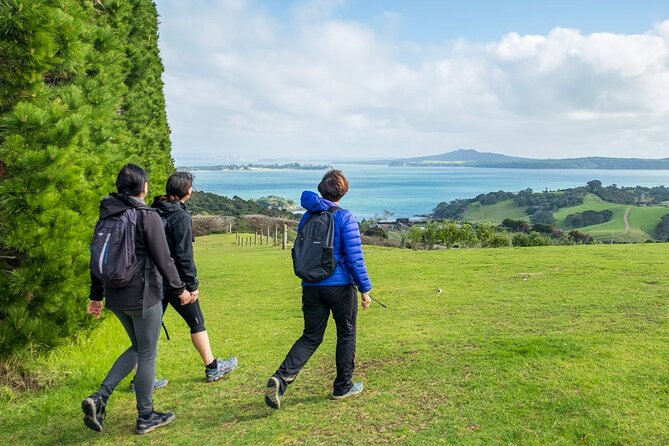
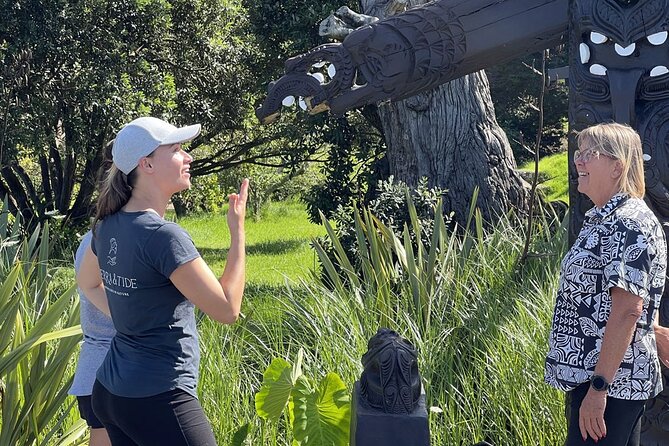
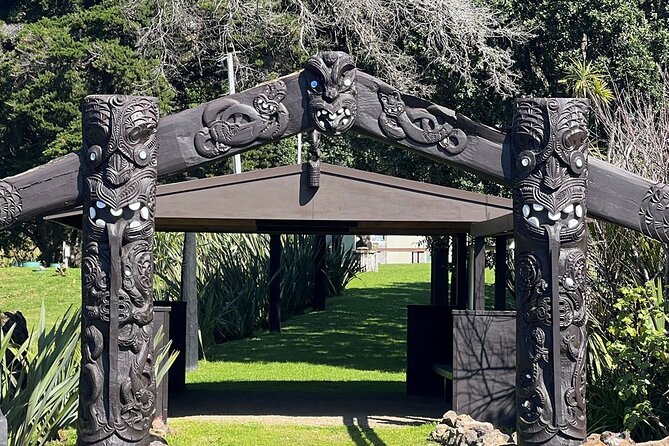
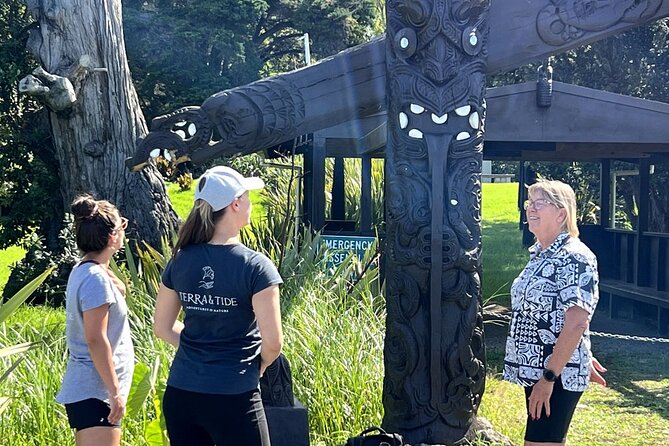
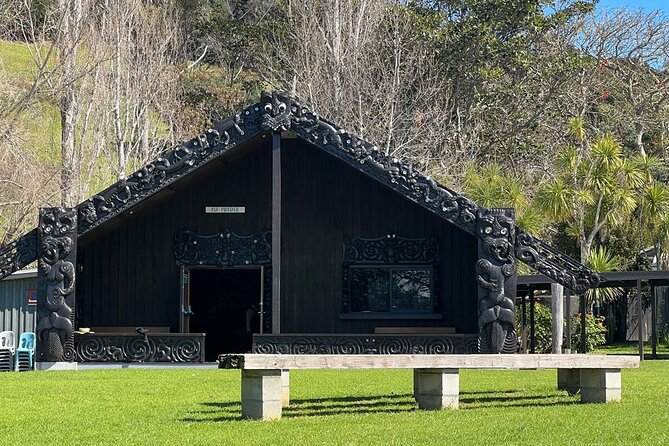
One of the most important parts of the day is a visit to the focal point of Waiheke’s Māori community. Here, the guide discusses carving, traditional tattooing, the revitalization of the Māori language, and the effects of colonization on Māori people.
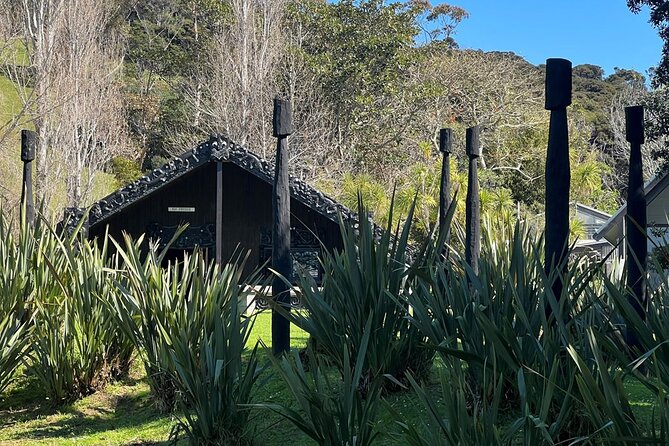
This is also the point where expectations matter most. You may see a Māori welcome hut, but you cannot simply walk onto the community marae if no one is there to receive you. Entry requires a formal pōwhiri, and the site is not staffed like a museum or visitor center.
That limitation is not a flaw in the culture. It is an important lesson in how Māori community spaces work. A marae is a living place with its own protocols, not a public exhibit that opens whenever a tour bus arrives.
One rating criticized the experience for not feeling like a cultural tour because the group could not enter the marae. The operator’s response explained the pōwhiri requirement and the purpose of the tour: to educate you about the people, customs, and history rather than promise unrestricted access.
I would book this outing only if you are comfortable with that distinction. You will learn about the marae and Māori life, but you should not expect a performance, an open-door visit, or a scripted welcome on demand.
A few more Waiheke Island tours and experiences worth a look
- Waiheke Island History and Heritage Tour
★ 5.0 · 39 reviews - Waiheke Island: Maori Cultural Tour + Lunch + Wine
★ 4.1 · 8 reviews - Auckland: All Blacks Experience Guided Cultural Tour
★ 4.7 · 453 reviews - All Blacks Experience: Interactive Guided Cultural Tour
★ 4.5 · 228 reviews
Carving, tā moko, and Māori language
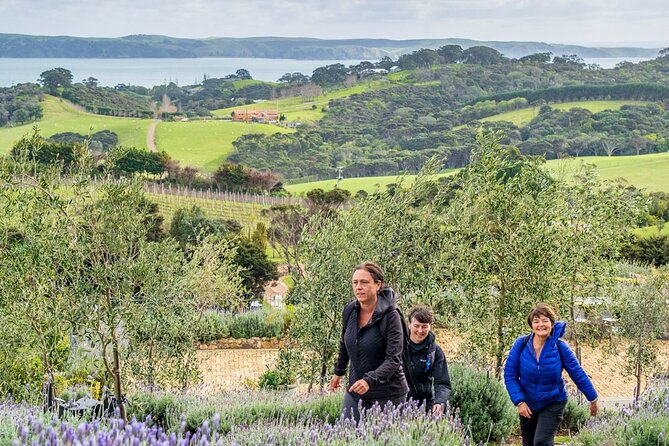
The cultural discussion covers subjects that are easy to overlook on a standard island tour. Carving is not presented simply as decoration. The guide explains its significance and place in Māori tradition.
You’ll also learn about traditional tattooing, commonly known as tā moko, and why it carries meaning beyond body art. The tour description does not promise a demonstration or tattooing session, so expect explanation rather than hands-on activity.
Language revitalization is another key subject. The discussion helps show how Māori language has been affected by colonization and why efforts to bring it back into wider use matter today. This gives the day a modern focus rather than leaving Māori culture in the past.
The guide also addresses the impact of colonization on Māori people. That topic may make the day more serious than a typical sightseeing excursion, but it is essential if you want an honest understanding of the island.
Because the tour is private, you can ask for more context if one topic interests you. The amount of detail may depend on your questions and the guide’s approach, so come ready to take part rather than simply listen from the back of a bus.
Lunch at a local café
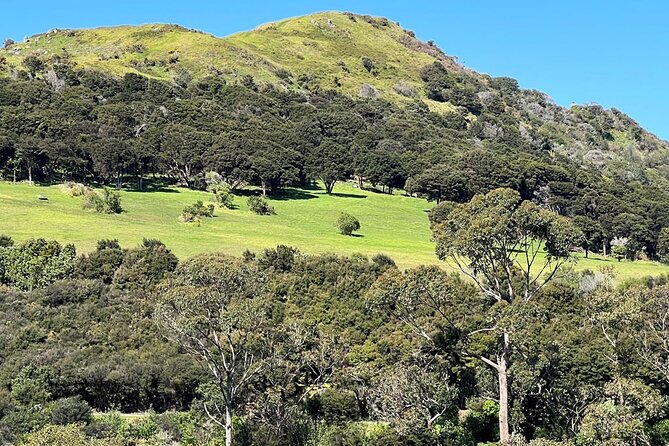
Lunch takes place at a local café, with food and coffee paid for separately. The description promises delicious food and coffee but does not specify a menu, dietary choices, or the café’s exact location.
That uncertainty is worth noting if you have strict dietary needs or want to budget precisely. Ask about options when you book or at the start of the day. The lunch break is part of the outing, but it is not included in the $465.43 per-person price.
The café stop gives the day a useful local rhythm. You get time to sit down, eat, and continue the conversation outside the vehicle. It also keeps the experience from feeling like a string of quick photo stops.
Still, the base price is high once you add the ferry, lunch, and any optional tasting. The value comes from having a private guide for six hours and from the cultural focus, not from included meals or a long list of admissions.
Native bush, medicinal plants, and the pa summit
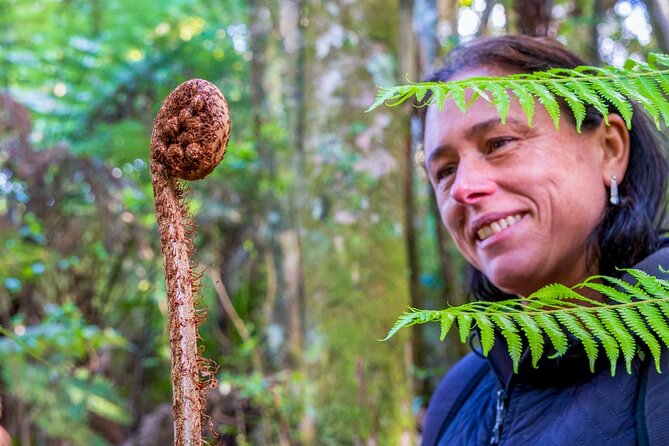
The most active portion of the day is a guided walk through native bush. Your guide explains traditional and medicinal Māori uses of native plants, turning the walk into a practical lesson about how people used the natural world for food, medicine, and daily needs.
The route leads to the summit of a pa, or fortified village site. Archaeological remains include kumara pits, shell middens, and defensive terraces. These features may not look dramatic at first glance, but they give you physical evidence of how people lived, stored food, used coastal resources, and protected a settlement.
The walk also gives you a chance to see native birds such as tūī, kererū, and piwakawaka. Sightings are not guaranteed, but the tour identifies them as likely possibilities. Bring shoes suitable for a bush walk and be prepared for uneven ground, even though the supplied information does not give a distance or difficulty rating.
This part should suit you if you enjoy history best when it is tied to a real place. Standing near kumara pits or defensive terraces can make the past more immediate than hearing dates in a museum.
It may be less suitable if you want a fully relaxed sightseeing day with no walking. The route is described as a guided bush walk and summit visit, so ask the operator about conditions if mobility or footwear is a concern.
Optional wine and olive oil tasting
Wine and olive oil tasting is available for an extra charge of no more than $50. It is optional, so you can keep the focus on Māori heritage, beaches, bush, and archaeology without paying for a tasting you do not want.
This is a useful add-on for people who want a small taste of Waiheke’s better-known food and wine identity. It also creates a contrast between the island’s tourism image and the deeper cultural story at the heart of the tour.
Keep the extra cost in mind. With the $465.43 tour price, a $42 adult return ferry, lunch, and the possible tasting, the total can rise quickly. The tasting should be treated as an optional bonus, not a reason to book the cultural tour.
What the $465.43 price buys you
At $465.43 per person, this is a premium day out. You are paying for a private experience lasting about six hours, an expert local guide, transport around Waiheke during the tour, and a route built around cultural interpretation rather than a standard winery circuit.
The private format is the strongest value point. If you are a small family or group of friends, the cost may feel more reasonable because you are not sharing the day with strangers and can ask questions freely.
The price is harder to justify if you mainly want beaches and viewpoints. Waiheke offers other ways to see those at lower cost, and this tour’s value depends on your interest in Māori history, community protocols, plants, archaeology, and local stories.
Remember the extra charges. The ferry is not included, lunch is not included, and wine and olive oil tasting costs extra. There are no listed admission fees for the cultural or archaeological stops, but the included feature is the guide rather than meals or tastings.
Timing, return plans, and who fits this tour
The tour lasts around six hours and begins at 9:45 a.m. The guide plans to return you to the wharf in time for the 4 p.m. ferry. That gives you a clear same-day plan from Auckland, provided you arrange the ferry connection carefully.
If you want more time on Waiheke, you can be dropped in Oneroa instead. From there, the wharf is about a 15-minute walk or a short bus ride, according to the tour details. This option gives you flexibility, but you become responsible for getting back to the ferry.
The experience should suit you if you:
- Want a private day rather than a group coach tour.
- Care more about cultural context than a checklist of wineries.
- Enjoy a mix of easy sightseeing and a guided bush walk.
- Want to understand Māori customs and the effects of colonization.
- Are comfortable paying extra for the ferry, lunch, and optional tasting.
It may not suit you if you expect direct marae access, a formal cultural performance, or a fully inclusive price. It is also not the best choice for someone who wants to spend the whole day tasting wine or relaxing at the beach.
Confirmation is provided when you book. Service animals are allowed, the meeting point is near public transportation, and most people can participate. The tour is private, so only your group takes part.
Should you book the Waiheke Island Heritage Tour?
Book it if you want Waiheke explained through Māori culture, archaeology, and local stories, not just admired from a winery terrace. The pa site, medicinal plant walk, beach stops, and discussion of language and colonization give the day a clear purpose.
Before paying, make sure you understand the marae protocol. You will not simply enter the community site, and no staffed welcome is guaranteed. That is a point to respect, not a promise the operator can bend.
I would also total the full cost before booking. At $465.43 per person before ferry, lunch, and optional tasting, this is best for people who place a high value on a private guide and a focused cultural experience. If that sounds like your kind of day, the tour offers a thoughtful way to see Waiheke beyond its usual tourist route.
FAQ
Where does the Waiheke heritage tour begin?
It begins at the Fullers360 Matiatia ticket office at 1 Ocean View Road, Oneroa, Auckland 1081, New Zealand.
What time does the tour start?
The start time is 9:45 a.m.
Is the ferry included in the tour price?
No. Ferry tickets are not included. Return tickets can be purchased from the operator for $42 per adult.
How long does the experience last?
The tour lasts approximately six hours.
Is lunch included?
No. Lunch is at a local café, but you pay for your own food and coffee.
Can I stay on Waiheke after the tour?
Yes. You can be dropped in Oneroa instead of returning directly to the wharf. From Oneroa, you can reach the ferry by a 15-minute walk or a short bus ride.
Is the tour private?
Yes. Only your group participates in this private activity.
Just added around Waiheke Island
- Heke Brewery and Distillery Tour in Waiheke Island with samples★ 4.5 · 3 reviews
- Boutique Waiheke Island Wine, Gin and Food Tour★ 5.0 · 3 reviews
- Auckland: Waiheke Island Luxury Experience Private Tour★ 5.0 · 3 reviews
- High End Sommelier Tour on Waiheke Island★ 5.0 · 3 reviews
- 2.5 Hours Wine Tour in Waiheke Island for Cruise Ship Travelers★ 5.0 · 4 reviews
- Waiheke Island Private Tours★ 5.0 · 4 reviews
- Waiheke Island: Gulf Marine Park Sailing Adventure & Lunch★ 5.0 · 4 reviews
- Waiheke Island: Premium Vineyard, Wine Tasting and Bush Walk★ 5.0 · 4 reviews
Waiheke Island Tours, compared.

Waiheke island Wine Tours – PREMIUM wine tasting MAX 11 clients !
Read our review →
Waiheke Island Premium Wine Tour with Tastings
Read our review →
Browse the lists this tour appears in