
Reviewed · HAURAKI GULF ISLAND TOURS
Auckland (Tawharanui): Wild Kiwi Bird Spotting Encounter
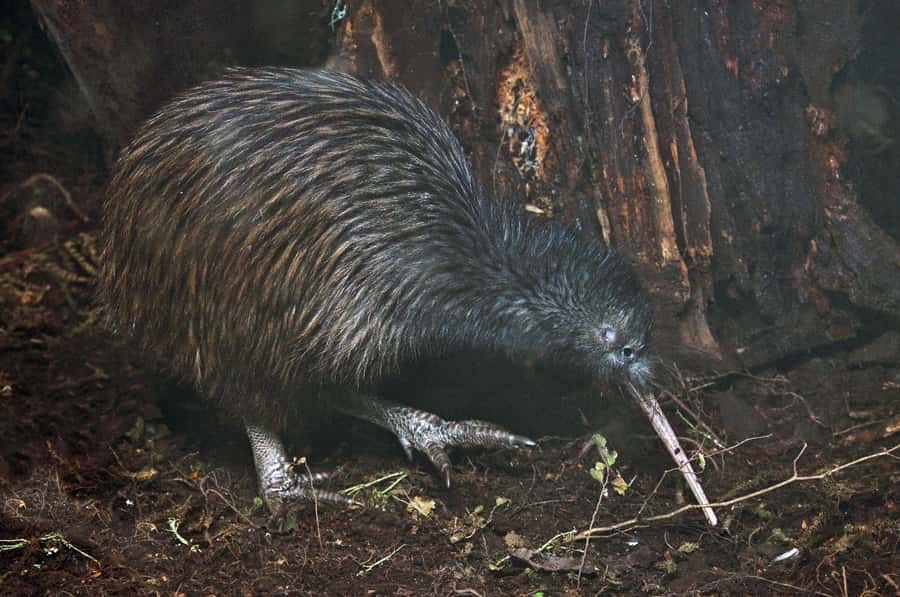
A wild kiwi is not a zoo bird waiting under a spotlight. It is a fast, shy, night-loving creature that may keep you waiting in the dark. At Tāwharanui Regional Park, guides such as Legend, Chris, Millie, Lucas, and Sean use calls, tracks, movement, and local knowledge to help you spot North Island brown kiwi in native bush.
I like the quiet pace, which gives the night room to unfold, and I like the excellent pairing of kiwi spotting with Southern Hemisphere stargazing. You may see planets through a telescope, hear ruru calls, and learn Māori stories linked to the sky. The main caution is simple: kiwi are wild animals, so sightings are never guaranteed, and the search can feel slow if you expect constant action.
In This Review
- Key points to know before booking
- Why Tāwharanui is a special place for kiwi spotting
- Meeting by the public bathrooms at the end of Takatu Road
- The slow search for a North Island brown kiwi
- What the guides add to the night
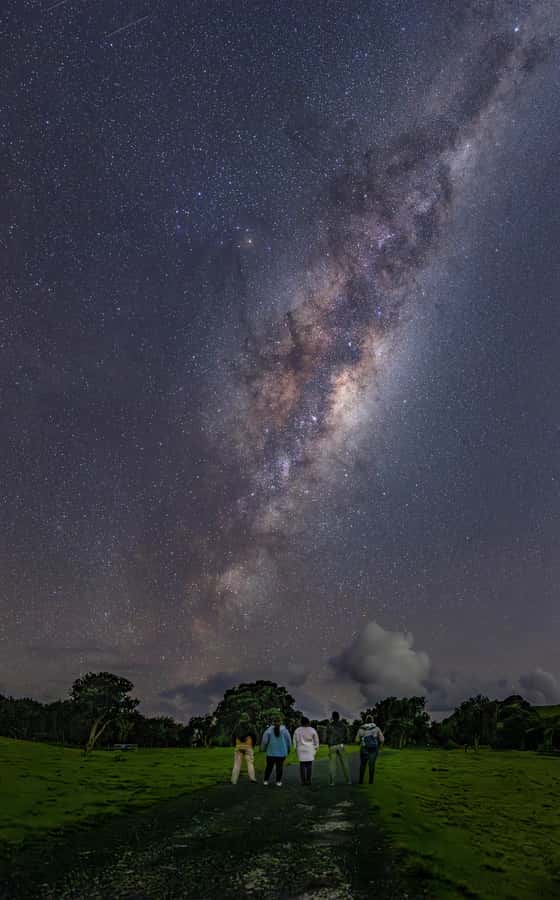
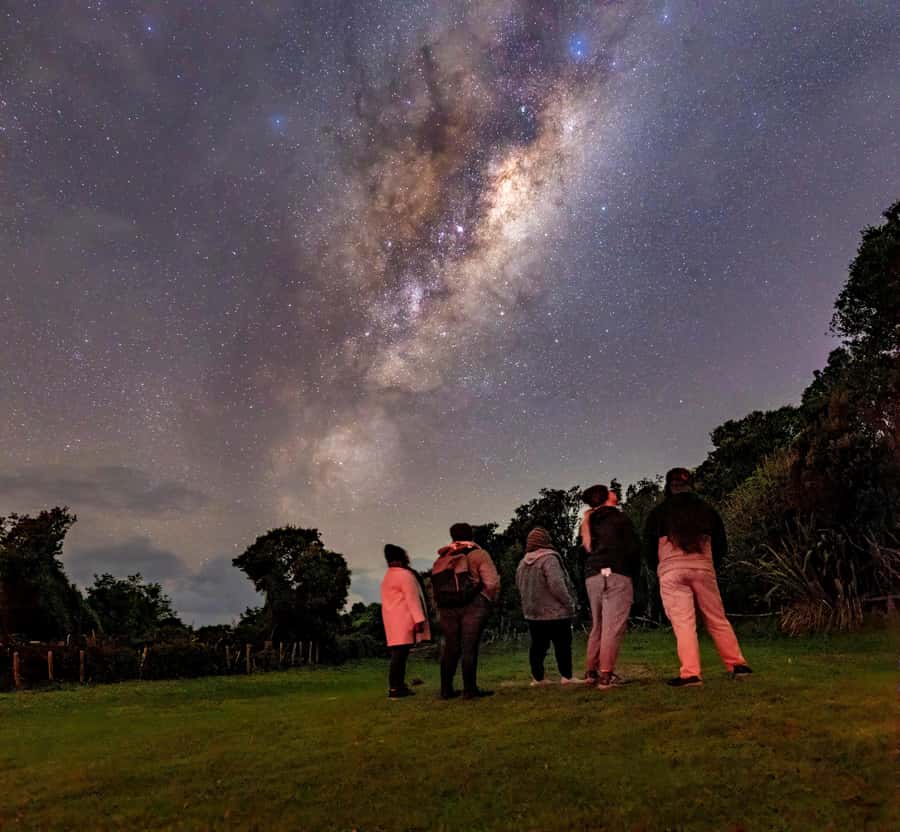
- Stargazing under a dark coastal sky
- The chance of blue bioluminescence
- The optional overnight glamping stay
- Is $89 good value?
- Who will enjoy this most
- Practical tips for a better night
- Should you book the Tāwharanui kiwi encounter?
- FAQ
- Where does the kiwi spotting experience meet?
- How long does the guided kiwi encounter last?
- What animals might I see or hear?
- Is stargazing included?
- Is seeing a kiwi guaranteed?
- Is transport from Auckland included?
- What should I bring?
Key points to know before booking
- Wild kiwi in a protected park: Search for North Island brown kiwi in their natural habitat, not in an enclosure.
- A patient two-hour outing: The walking is slow and deliberate, with time spent listening and watching for small movements.
- Stars add real value: Low light pollution can reveal dense star fields, planets, and seasonal constellations.
- Guides shape the experience: Legend, Chris, Millie, Lucas, Sean, and others bring wildlife stories, Māori astronomy, and local knowledge.
- Optional extras change the cost: The listed price is $89 per person, while transport and glamping can be added separately.
- Come prepared for darkness and cold: Wear warm clothing and comfortable shoes, and bring water.
Why Tāwharanui is a special place for kiwi spotting
Tāwharanui Regional Park is a short, scenic drive north of Auckland, but it feels far removed from the city once you reach the end of Takatu Road. The park protects native bush, open coastal country, and a rare dark-sky setting. That combination matters because you get two very different New Zealand experiences in one evening: the search for an iconic bird and a clear look at the sky above the Pacific coast.
The setting also gives the outing a strong conservation focus. Tāwharanui is managed as an ecological sanctuary, with work aimed at restoring native forest and protecting wildlife. Your guide explains what kiwi need, how they behave, and why protection from introduced predators and habitat loss is so important.
I would not book this simply as a guaranteed wildlife show. Book it as a guided night in a protected place, with the possibility of seeing kiwi. That mindset makes the waiting part feel useful rather than disappointing.
More Hauraki Gulf island trips:
- Auckland: Tiritiri Matangi Island Ferry
★ 4.7 · 133 reviews - Clearyak hire at Goat Island Marine Reserve
★ 5.0 · 80 reviews - Motukorea / Browns Island Sea Kayak Journey
★ 5.0 · 35 reviews
Meeting by the public bathrooms at the end of Takatu Road
The meeting point is near the public bathrooms at the end of Takatu Road, inside Tāwharanui Regional Park. This is a practical detail to take seriously. You are not meeting in central Auckland, and the activity takes place after dark in a rural park.
Transport is not included in the $89 price, but it can be added at checkout. That option is valuable if you do not have a car or do not want to manage a late-night drive after walking in the dark. One outing with city pickup ended very late, around 2 a.m., so confirm the transport arrangement and return plan when booking if you are relying on it.
On arrival, you meet your guide and group for a short briefing. Expect an explanation of the evening’s plan, safety points, park ecology, and the kind of signs that may lead to a kiwi. This introduction helps you switch from ordinary sightseeing to careful night watching.
Groups can be private or small. That matters here because a quiet group is far better than a large, noisy one. Kiwi are sensitive to disturbance, and everyone needs to move slowly, keep voices low, and follow the guide’s instructions.
The slow search for a North Island brown kiwi
The core activity lasts about two hours. You walk through native bush and open areas while your guide checks likely spots and listens for calls. There is no fixed parade of stops. The route changes with the weather, darkness, and signs of wildlife activity.
Your guide may ask you to pause for long stretches. A kiwi can be hard to see even when it is nearby. The bird’s small movements, quick pace, and dark surroundings make unaided spotting difficult, which is why the guide’s tracking skills are so important.
The equipment provided includes torches, headlamps, and kiwi-spotting equipment. One account also described a thermal device being used to help locate birds. The point is not to flood the bush with bright light, but to help you see without turning the walk into a disruptive search.
Sightings vary widely. Some outings have produced one or two kiwi, while others have recorded six, seven, ten, fourteen, or even more than fifteen birds among the group. Those numbers should not be treated as a promise. They show how much conditions and timing can change from one night to the next.
You may hear a kiwi before seeing one. You might also hear ruru, the morepork, calling in the bush. This is one of the best parts of the walk because the night becomes more than a hunt for a single species. You start noticing the wider nocturnal world: sounds, insects, plants, movement, and changes in the air.
The guide also explains kiwi behaviour and habitat needs. You learn why the birds are active at night, how they use the forest floor, and what conservation work allows them to live here. Several guides, especially Legend, were praised for mixing facts with stories and keeping the mood relaxed rather than formal.
What the guides add to the night

The guide is the make-or-break part of this experience. Kiwi spotting on your own would be a major challenge, even for someone who is good at finding birds. A skilled guide knows where to look, how to listen, and when to wait.
Legend appears often in the guide team, along with Chris, Millie, Lucas, Sean, Sharn, Hayley, and Ryan. Their strengths differ. Legend is known for lively stories and broad knowledge of animals, stars, Māori culture, plants, and the park. Lucas has been praised for explaining the habitat and finding birds even on damp winter nights. Sean is noted for his clear kiwi information, while Chris and Millie have led friendly, well-organized outings.
That variety is worth noting. Your guide may be quiet or highly chatty, but the repeated strength of this activity is the team’s passion for the subject. The best guides keep you interested during the waiting periods, answer questions, and help children stay involved.
Families can enjoy this, provided children can manage a slow walk and remain quiet when asked. A nine-year-old and an eleven-year-old were especially happy with their sightings, while a mixed group of seniors, adults, and a child also found the pace manageable. Still, this is not a high-energy evening attraction. The reward comes from patience.
More kiwi and wildlife encounters near Auckland:
- Sheep World Country Tour from Auckland
★ 5.0 · 67 reviews - Nocturnal Wonders Tawharanui Kiwi Spotting and Stargazing Tour
★ 5.0 · 23 reviews - Waitomo Glowworm Caves and Kiwi House Small Group from Auckland
★ 5.0 · 20 reviews - From Auckland: Waitomo Caves and Kiwi House Group Tour
★ 4.8 · 20 reviews
Stargazing under a dark coastal sky
Once full darkness arrives, Tāwharanui’s distance from Auckland becomes a major advantage. With little city light nearby and the ocean around the park, the sky can open into a dense field of stars.
The guide identifies planets, constellations, and Southern Hemisphere features. Depending on the night, you may view Venus, Jupiter, Saturn, the Moon, or its craters through a telescope. Binoculars and a telescope are provided, so you do not need astronomy equipment of your own.
The stargazing is more than a quick look upward. Guides connect the stars with Māori stories and traditional sky knowledge, while also explaining the science in plain language. I like this blend because it gives the sky a local meaning rather than treating it as a generic photo stop.
Cloud can change the balance of the evening. On one very cloudy night, there was no stargazing, and the group spent its time looking for kiwi instead. On other nights, even partial cloud allowed the guide to point out a range of stars and planets. If the sky is your main reason for booking, choose your expectations carefully. The weather controls this part.
Bring warm clothing even in summer, and especially in winter. You spend time standing still in the dark, which can feel colder than an ordinary walk. Comfortable shoes are also important because the activity takes place on natural tracks and through bush areas.
The chance of blue bioluminescence
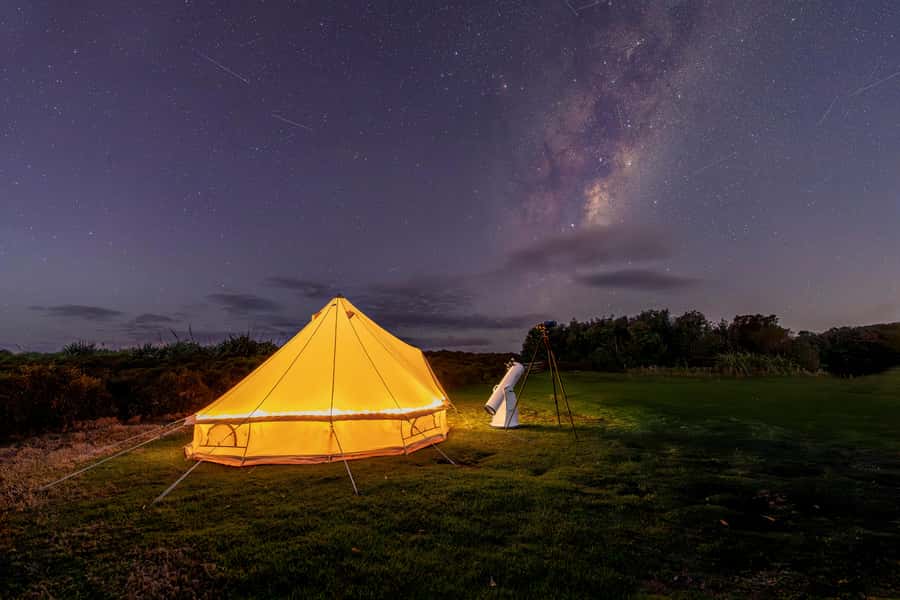
Some outings may include a look at bioluminescence along the shore or in shallow water. When conditions are right, movement in sand or water can create a soft blue glow caused by tiny luminous organisms.
This is an appealing extra, but it is not guaranteed. It depends on natural conditions, so you should treat it as a lucky bonus rather than part of the fixed program. The guide explains how glowing shorelines and luminous water work, adding a small science lesson to the wildlife and astronomy themes.
The possibility also reinforces the character of the experience. You are not moving through a set of manufactured effects. You are watching for natural events, and some nights simply offer different rewards than others.
The optional overnight glamping stay
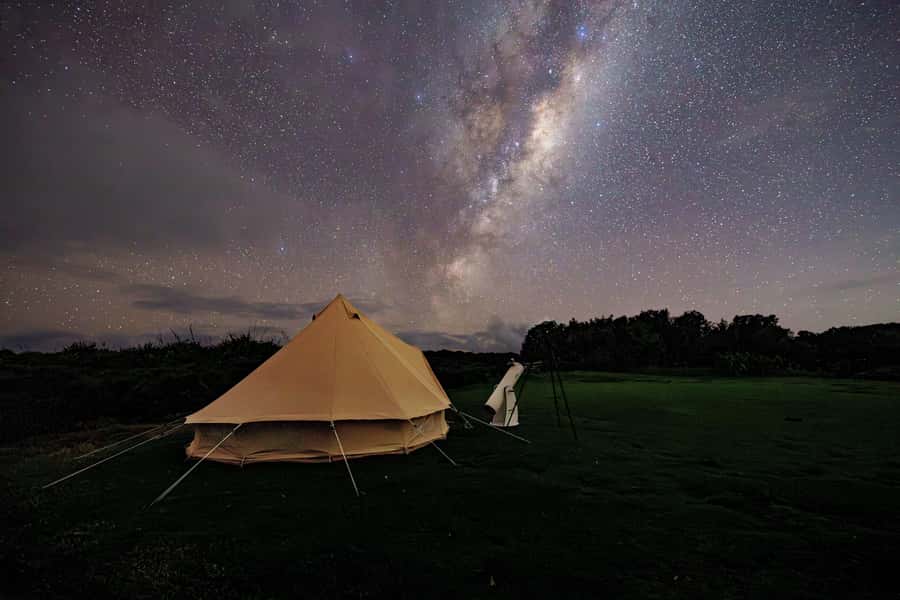
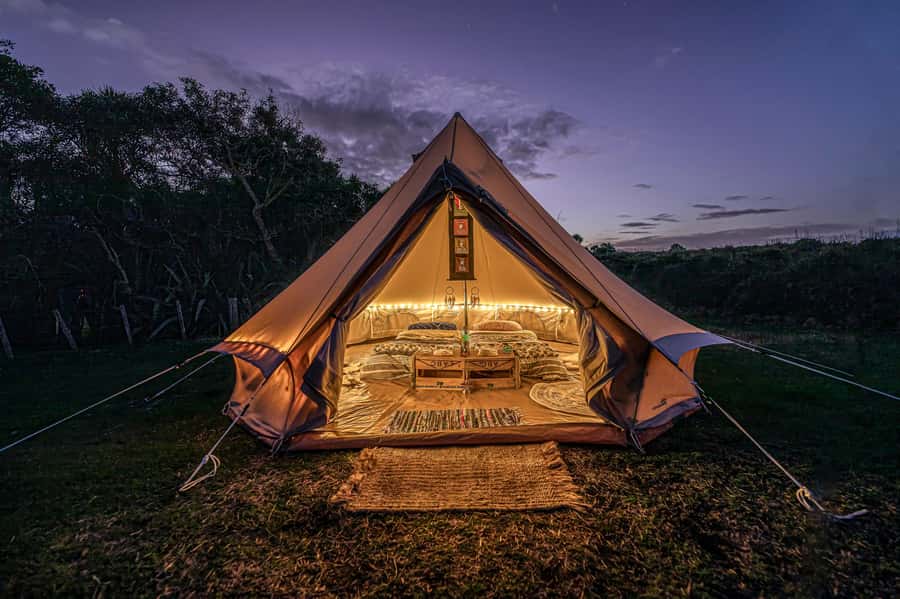
Glamping is available if you select that option. The campsite booking and fees are not included in the base price, so check the exact package before paying.
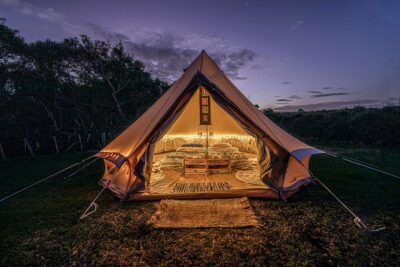
The overnight setup described for one booking included a prepared tent, blankets, foam mattresses, small snacks, and other basic items. It can make sense if you want to avoid a late drive and spend more time in the park. It also turns a two-hour night activity into a fuller outdoor stay.
Do not assume the basic $89 price includes the overnight arrangement. It does not. Food and drinks are also extra, and campsite fees are separate. If you want only the guided walk, the standard option is easier to compare with other Auckland evening activities.
Is $89 good value?
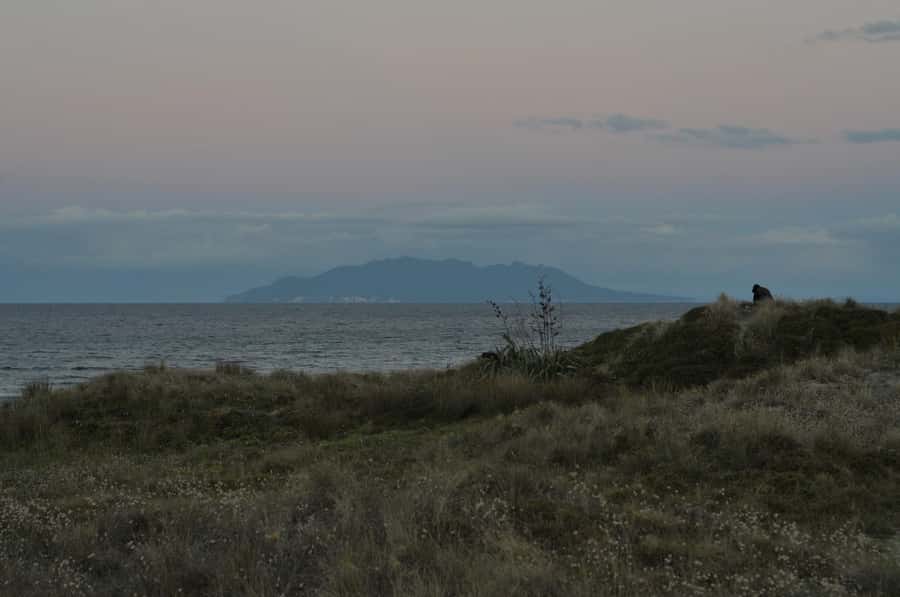
At $89 per person, the experience is fairly priced if you value a specialist wildlife guide, night equipment, and access to a protected area after dark. You are paying for the guide’s ability to find and interpret wildlife, not just for a walk through the park.
The value is strongest when you see kiwi and enjoy the astronomy session as well. Seeing several birds, a baby kiwi, or a male and female together can make the price feel modest for a rare wild encounter. But a sighting is never guaranteed, so the fair comparison is not with a zoo ticket. Compare it with a guided conservation outing where the search itself is part of the experience.
Transport costs extra, and glamping costs extra. Those additions can be worthwhile for people without a car or anyone who wants to stay overnight, but they should be included in your total budget. Food and drinks are also your responsibility.
Free cancellation is available up to 24 hours before the activity, and reserve-now, pay-later booking is offered. Those terms help if your Auckland schedule depends on weather or a changing road trip plan.
Who will enjoy this most
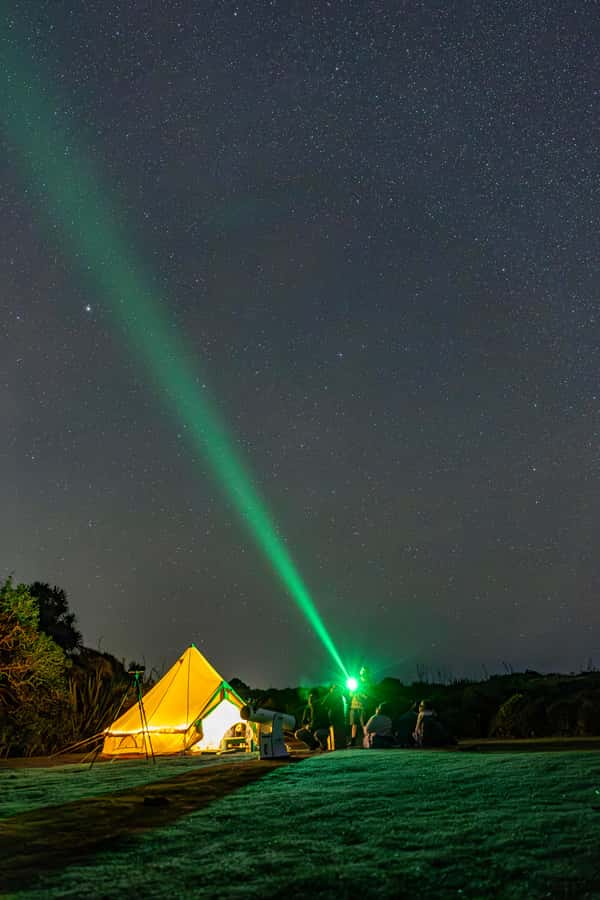
I would recommend this to you if you enjoy wildlife, night walks, astronomy, or conservation. It works particularly well for visitors who have already seen daytime beaches and forests and want a different view of New Zealand’s natural world.
It also suits families with children who can walk quietly, couples looking for an unusual evening, and bird lovers who know that wild sightings take patience. The experience can be memorable for older visitors too, though you should be comfortable walking and standing outdoors at night.
I would hesitate if you need a guaranteed animal encounter, dislike waiting, or want a polished attraction with frequent commentary and fixed viewing platforms. The walk may begin slowly, and clouds may remove the stargazing portion. Warm layers and a patient attitude are not optional extras here.
Practical tips for a better night
- Wear warm layers, even if Auckland felt mild during the day.
- Choose comfortable shoes suitable for a slow bush walk.
- Bring water, since extra drinks are not included.
- Keep your voice low and follow the guide’s lighting instructions.
- Ask about transport if you do not have a car.
- Confirm whether you are booking the standard outing or adding glamping.
- Treat bioluminescence and clear skies as bonuses, not guarantees.
- Give the guide time to work. A quiet search may suddenly produce several kiwi in a few minutes.
Should you book the Tāwharanui kiwi encounter?
Yes, if seeing a wild kiwi is high on your New Zealand wish list and you understand that nature sets the timetable. The combination of kiwi tracking, Māori sky stories, telescope viewing, and a protected coastal park gives the evening more substance than a simple wildlife walk.
Book it with realistic expectations. You may see one kiwi, several, or none, and the sky may be clear or cloudy. For me, that uncertainty is part of the appeal, provided you value the guide’s stories, the conservation setting, and the rare chance to hear the bush come alive after dark. Add transport if you need it, pack warm clothes, and choose the glamping option only if you want the full overnight experience.
FAQ
Where does the kiwi spotting experience meet?
Meet near the public bathrooms at the end of Takatu Road in Tāwharanui Regional Park.
How long does the guided kiwi encounter last?
The main guided kiwi spotting and walking experience lasts two hours.
What animals might I see or hear?
The main target is the North Island brown kiwi. You may also hear ruru calls and learn about other wildlife living in the reserve.
Is stargazing included?
Yes. The experience includes stargazing, and equipment such as binoculars and a telescope is provided. Cloudy weather can limit or prevent views of the stars.
Is seeing a kiwi guaranteed?
No. Kiwi are wild animals, and sightings depend on weather, conditions, and wildlife activity. The guide uses tracking skills to improve your chances.
Is transport from Auckland included?
No. Transport is not included in the base price, but it can be added at checkout.
What should I bring?
Bring comfortable shoes, warm clothing, and water. Extra food and drinks are not included.
Just added around Auckland
- Heke Brewery and Distillery Tour in Waiheke Island with samples★ 4.5 · 3 reviews
- Hobbiton Movie Set Guided Day Tour with Lunch from Auckland★ 5.0 · 3 reviews
- London Routemaster Double Decker Auckland Discovery★ 5.0 · 3 reviews
- Auckland: Full-Day Fishing Charter (7 am – 4 pm)★ 4.3 · 3 reviews
- Auckland: 36 min scenic helicopter flight – Coast to Coast★ 5.0 · 3 reviews
- Boutique Waiheke Island Wine, Gin and Food Tour★ 5.0 · 3 reviews
- Auckland City Highlights Full Day Tour★ 4.6 · 3 reviews
- Coromandel Peninsula Discovery – Private Tour From Auckland★ 5.0 · 3 reviews
Hauraki Gulf Island Tours, compared.



Nocturnal Wonders Tawharanui Kiwi Spotting and Stargazing Tour
Read our review →


Tiritiri Matangi Island Discovery – from Auckland
Read our review →Browse the lists this tour appears in